

Top 10 Largest Countries in the world 2026 collectively account for nearly half of the Earth’s total land area. These nations, spanning multiple continents, encompass diverse landscapes, climates, and natural resources, playing a crucial role in global geopolitics, trade, and environmental sustainability.
The total land area of the largest countries in the world remains relatively stable; however, factors such as territorial disputes, land reclamation, and administrative changes can lead to minor adjustments over time. Despite these variations, the top 10 largest countries by area continue to dominate the global landscape, with Russia alone covering over 11% of the world’s landmass.
Read on to get a comprehensive overview of the Top 10 Largest Countries by Area, including their historical significance, land area, and geographical features. Additionally, examine their demographic and economic standing, highlighting the top 10 largest countries by population and the top 10 largest countries by GDP to understand their global impact.
Largest Country in the World by Population 2026
India is currently the largest country in the world by population. In 2026, India’s population is over 1.46 billion people. It has surpassed China, which used to be the most populated country. India’s population continues to grow each year. This makes India very important globally because of its large and young population.
Largest Country in the World by Area 2026
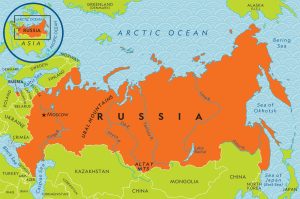
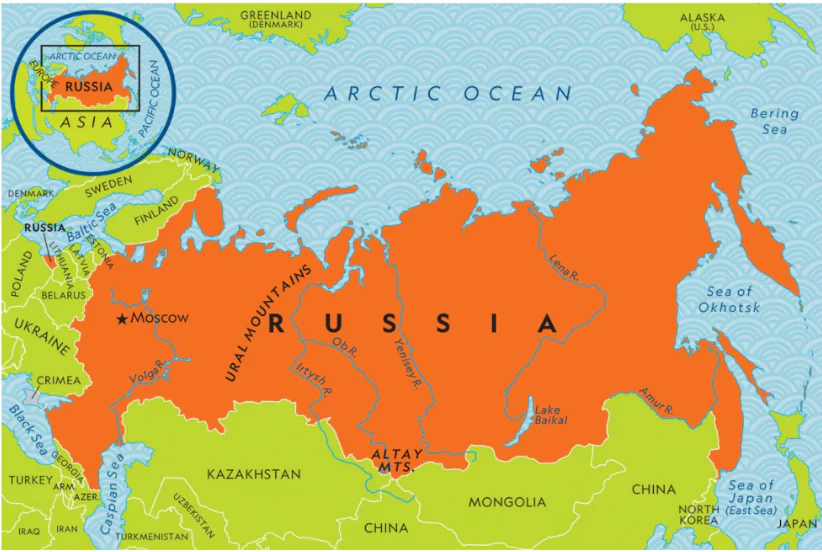
The largest country in the world by area is Russia. Russia covers about 17 million square kilometers of land. It stretches across Europe and Asia and has many different climates and landscapes. Russia is so big that it spans 11 time zones. Its vast size makes it an important country in world geography.
Top 10 Largest Countries in the World 2026 by Area, Population & GDP Overview
The Top 10 Largest Countries in the World in 2026 showcase the fascinating interplay of geography, population, and economic influence shaping today’s global landscape. Russia leads in land area, spanning over 17 million sq. km, while India tops the population chart with more than 1.46 billion people. Economically, the United States continues to hold the position of the world’s largest economy, followed closely by China, Germany, India, and Japan.
| Country | Area Rank | Total Area (km²) | Population Rank | Population (2026) | GDP Rank | GDP 2026 (USD Trillion) |
| Russia | 1 | 17,098,242 | 9 | 144 million | 11* | 2.1 |
| Canada | 2 | 9,984,670 | 38* | 39 million | 9 | 2.23 |
| China | 3 | 9,706,961 | 2 | 1.41 billion | 2 | 19.23 |
| United States | 4 | 9,372,610 | 3 | 347 million | 1 | 30.51 |
| Brazil | 5 | 8,515,767 | 7 | 213 million | 10 | 2.13 |
| Australia | 6 | 7,692,024 | 55* | 26 million | 13* | 1.9 |
| India | 7 | 3,287,590 | 1 | 1.46 billion | 4 | 4.19 |
| Argentina | 8 | 2,780,400 | 33* | 46 million | 22* | 0.8 |
| Kazakhstan | 9 | 2,724,900 | 63* | 19 million | 55* | 0.3 |
| Algeria | 10 | 2,381,741 | 34* | 46 million | 58* | 0.2 |
Top 10 Largest Countries by Area 2026
The top largest countries by area dominate a vast portion of continents, which influences global politics, economy, and environment. The largest nations in terms of total land area include vast forests, deserts, and mountain ranges. Here is a breakdown of the top 10 largest countries by area:
| Top 10 Largest Countries by Area 2026 | ||||
| Rank | Country | Total Area (km²) | Land Area (km²) | World Share (%) |
| 1 | Russia | 17,098,242 | 16,376,870 | 11.00% |
| 2 | Canada | 9,984,670 | 9,093,510 | 6.11% |
| 3 | China | 9,706,961 | 9,388,211 | 6.30% |
| 4 | USA | 9,372,610 | 9,147,420 | 6.14% |
| 5 | Brazil | 8,515,767 | 8,358,140 | 5.61% |
| 6 | Australia | 7,692,024 | 7,682,300 | 5.16% |
| 7 | India | 3,287,590 | 2,973,190 | 2.00% |
| 8 | Argentina | 2,780,400 | 2,736,690 | 1.84% |
| 9 | Kazakhstan | 2,724,900 | 2,699,700 | 1.81% |
| 10 | Algeria | 2,381,741 | 2,381,740 | 1.60% |
1. Russia – 17,098,242 km²
Russia is the largest country in the world, covering 11% of the Earth’s landmass. Spanning across Europe and Asia, it has a rich history, abundant natural resources, and diverse landscapes. Despite its massive size, Russia has a relatively small population density.
- Population (2026): 144 million
- GDP (2026): $2.1 trillion
- World Land Share: 11.00%
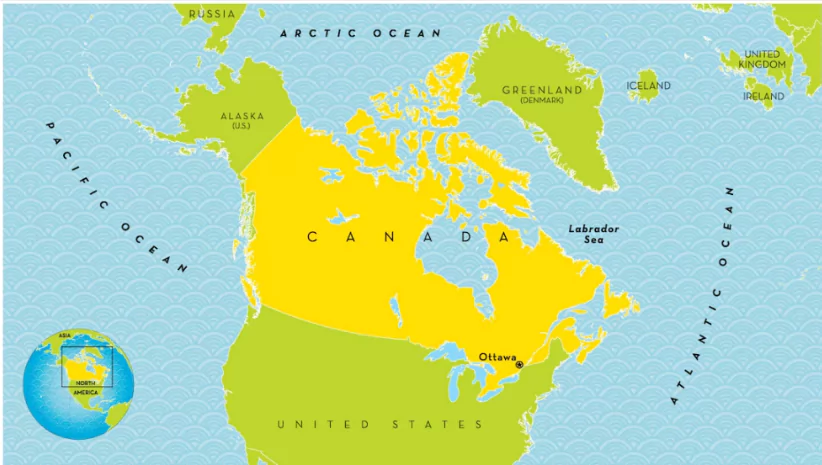
2. Canada – 9,984,670 km²
Canada, the second-largest country, is known for its natural beauty, forests, and freshwater reserves. Though vast in area, much of it is uninhabited due to the harsh northern climate.
- Population (2026): 39 million
- GDP (2026): $2.3 trillion
- World Land Share: 6.11%
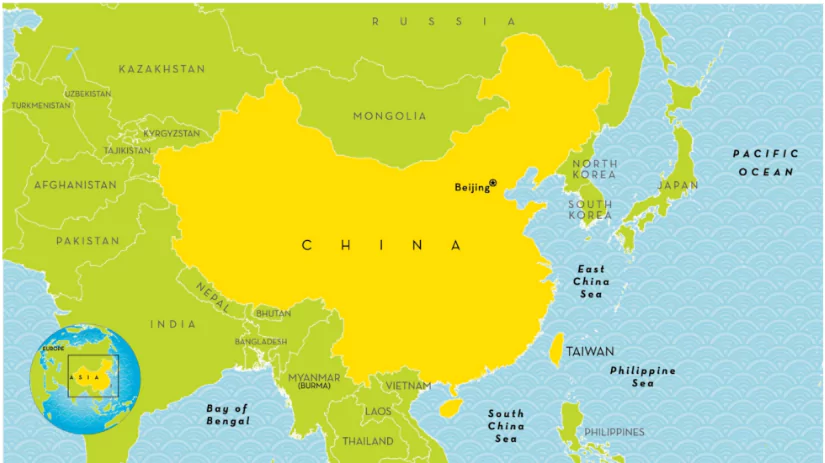
3. China – 9,706,961 km²
China is the third-largest country and the most populous, with over 1.4 billion people. It has a diverse landscape, including deserts, mountains, and coastal regions.
- Population (2026): 1.41 billion
- GDP (2026): $19.53 trillion
- World Land Share: 6.30%
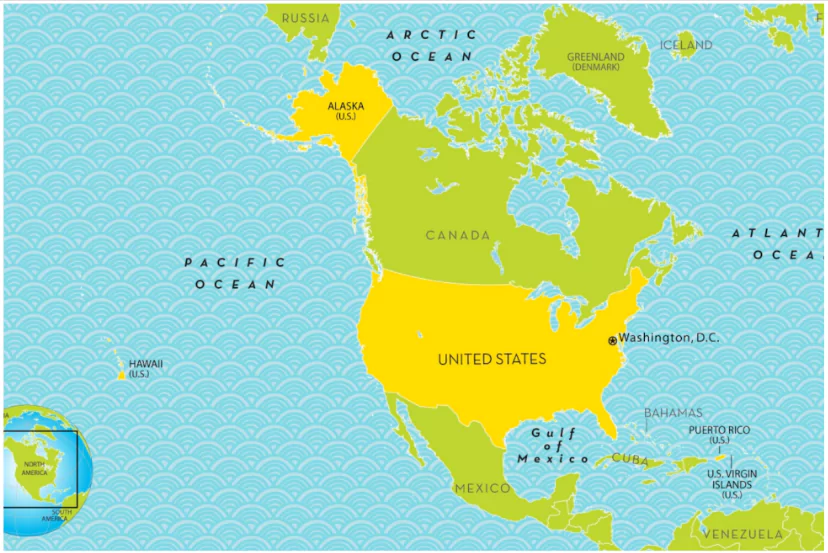
4. United States – 9,372,610 km²
The United States is the fourth-largest country, featuring diverse geography from Alaska’s icy tundra to Florida’s tropical beaches. It also has the world’s largest economy.
- Population (2026): 347 million
- GDP (2026): $30.34 trillion
- World Land Share: 6.14%
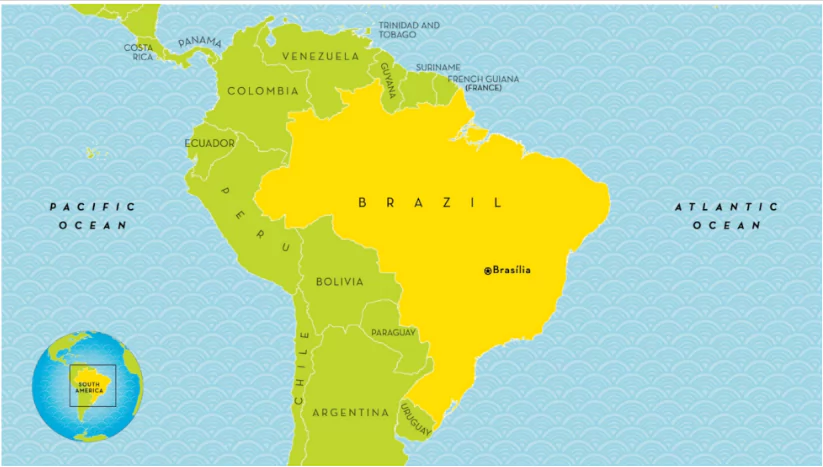
5. Brazil – 8,515,767 km²
Brazil is the largest country in South America, famous for the Amazon rainforest, which plays a vital role in global climate regulation.
- Population (2026): 213 million
- GDP (2026): $2.3 trillion
- World Land Share: 5.61%
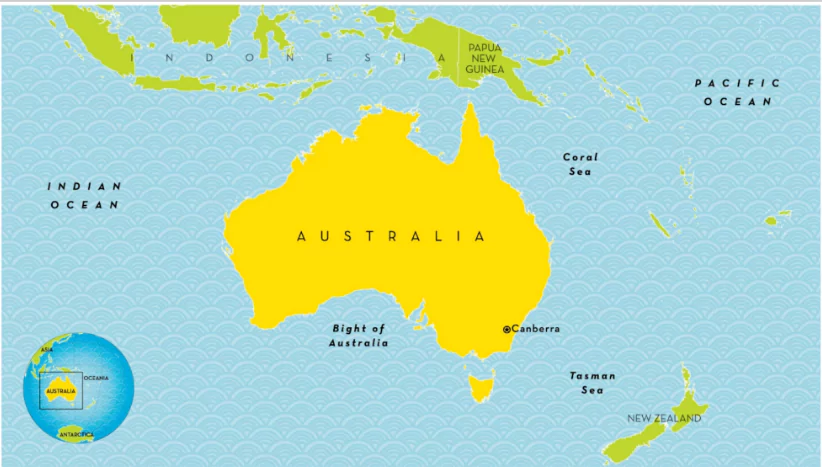
6. Australia – 7,692,024 km²
Australia is both a continent and a country, known for deserts, beaches, and unique wildlife. It has a low population density, as most people live along the coast.
- Population (2026): 26 million
- GDP (2026): $1.9 trillion
- World Land Share: 5.16%
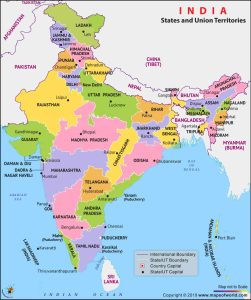
7. India – 3,287,590 km²
India is the seventh-largest country but the second most populous, with over 1.46 billion people. It has a rich cultural and historical heritage, along with a rapidly growing economy.
- Population (2026): 1.46 billion
- GDP (2026): $4.27 trillion
- World Land Share: 2.00%
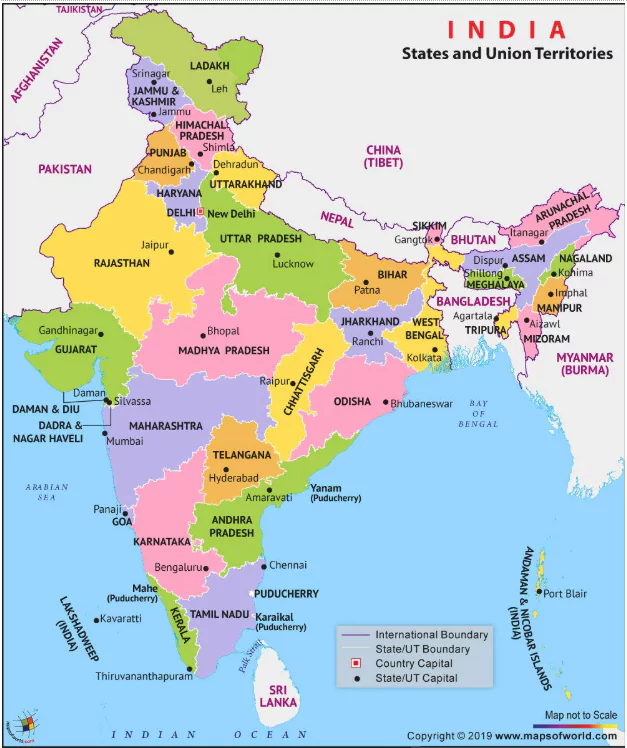
Image Credit: Maps of India
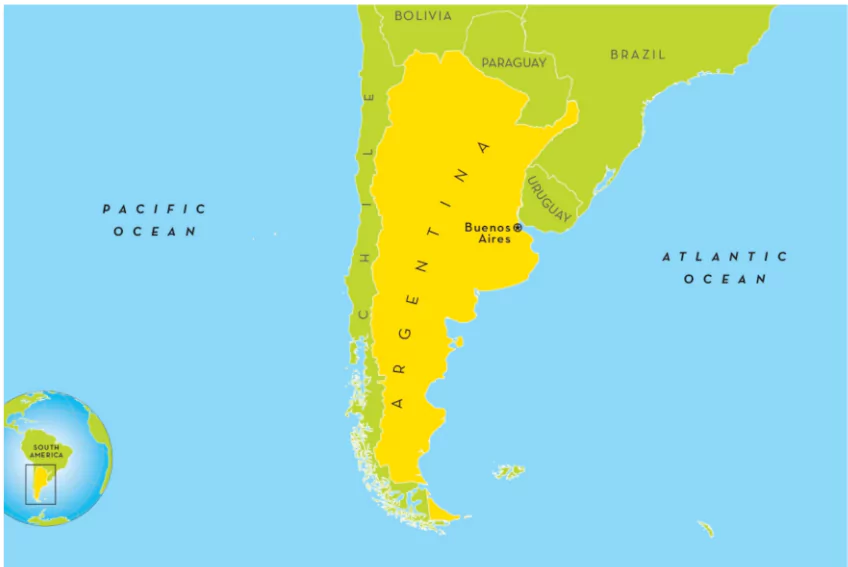
8. Argentina – 2,780,400 km²
Argentina, the eighth-largest country, is known for its diverse landscapes, including the Andes Mountains, grasslands, and Patagonia.
- Population (2026): 46 million
- GDP (2026): $0.8 trillion
- World Land Share: 1.84%
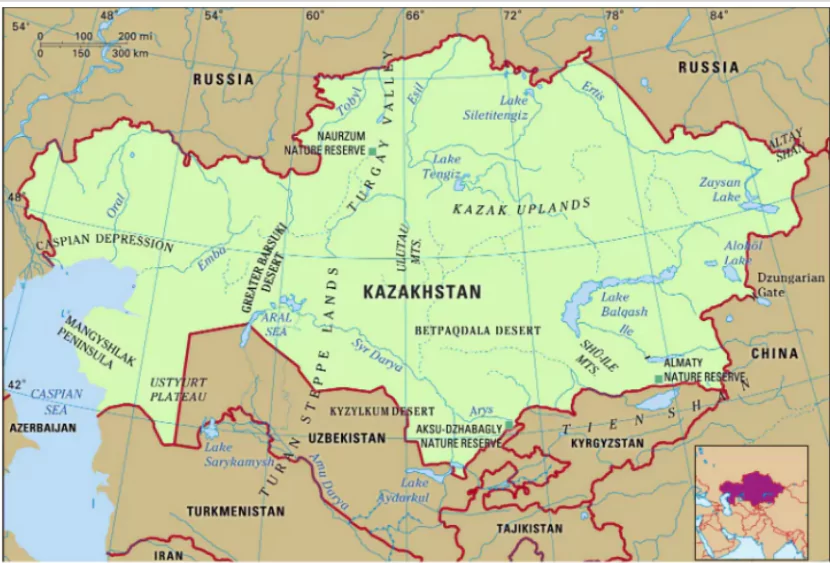
9. Kazakhstan – 2,724,900 km²
Kazakhstan, the ninth-largest country, is the largest landlocked nation in the world, with vast steppes and deserts.
- Population (2026): 19 million
- GDP (2026): $0.3 trillion
- World Land Share: 1.81%
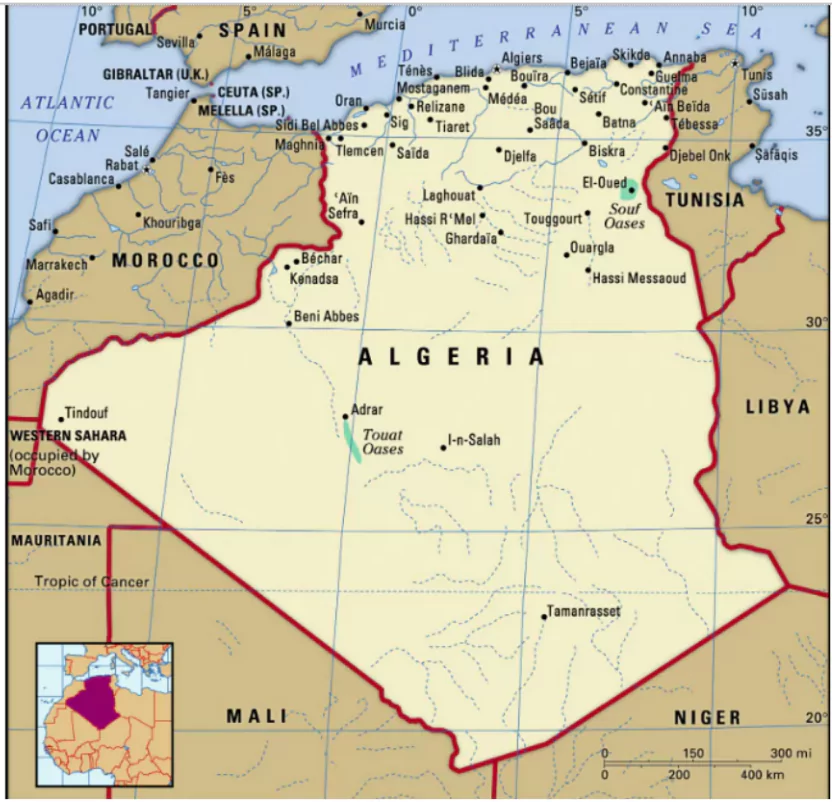
10. Algeria – 2,381,741 km²
Algeria is the largest country in Africa, with vast deserts making up much of its land. It is rich in natural resources such as oil and gas.
- Population (2026): 46 million
- GDP (2026): $0.2 trillion
- World Land Share: 1.60%
Top 10 Largest Countries in Asia by Area
Asia has many large countries by land size. Some of the biggest are Russia, China, India, Kazakhstan, Saudi Arabia, and others. These countries cover millions of square kilometers and have diverse cultures, climates, and populations. Below is a table showing the top 10 largest countries in Asia by their area.
| Top 10 Largest Countries in Asia by Area | ||
|---|---|---|
| Rank | Country | Area (sq. km) |
| 1 | Russia | 17,098,242 |
| 2 | China | 9,596,961 |
| 3 | India | 3,287,263 |
| 4 | Kazakhstan | 2,724,900 |
| 5 | Saudi Arabia | 2,149,690 |
| 6 | Indonesia | 1,904,569 |
| 7 | Iran | 1,648,195 |
| 8 | Mongolia | 1,564,116 |
| 9 | Pakistan | 881,913 |
| 10 | Turkey | 783,356 |
Top 10 Largest Countries by Population
While the largest countries by area cover vast land masses, the most populous countries influence global economics and politics. Here is a list of the top 10 largest countries by population in 2026:
| Top 10 Largest Countries by Population | ||
| Rank | Country | Population (2026) |
| 1 | India | 1.46 billion |
| 2 | China | 1.41 billion |
| 3 | USA | 347 million |
| 4 | Indonesia | 286 million |
| 5 | Pakistan | 255 million |
| 6 | Nigeria | 238 million |
| 7 | Brazil | 213 million |
| 8 | Bangladesh | 176 million |
| 9 | Russia | 144 million |
| 10 | Ethiopia | 135 million |
- India has surpassed China as the most populous country, with over 1.46 billion people.
- China still has a massive population but is seeing a decline due to low birth rates.
- Nigeria and Ethiopia are among the fastest-growing nations, driven by high birth rates.
Top 10 Largest Countries by GDP 2026
The economic strength of a country is measured by its Gross Domestic Product (GDP). In 2026, the global economic landscape continues to be dominated by developed and rapidly growing economies. The USA maintains its position as the world’s largest economy, followed closely by China. Notably, India has emerged as a major player with a robust growth trajectory driven by technology and services.
Below is the updated list of the Top 10 Largest Countries by GDP in 2026, based on IMF Projections:
| Top 10 Largest Countries by GDP | |||
|---|---|---|---|
| Rank | Country | GDP (USD Trillions) | GDP Per Capita (USD) |
| 1 | United States | $30.51 trillion | $89,110 |
| 2 | China | $19.23 trillion | $13,690 |
| 3 | Germany | $4.74 trillion | $55,910 |
| 4 | India | $4.19 trillion | $2,880 |
| 5 | Japan | $4.19 trillion | $33,960 |
| 6 | United Kingdom (U.K.) | $3.84 trillion | $54,950 |
| 7 | France | $3.21 trillion | $46,390 |
| 8 | Italy | $2.42 trillion | $41,090 |
| 9 | Canada | $2.23 trillion | $53,560 |
| 10 | Brazil | $2.13 trillion | $9,960 |
The United States continues to lead with a GDP exceeding $30 trillion and a high per capita income. China remains in second place, driven by rapid industrial growth and global trade. India and Japan are now tied in terms of total GDP, with India showing impressive growth in the tech and services sector. European countries like Germany, UK, France, and Italy also retain strong positions due to stable economic policies and advanced industrial sectors.
India GDP 2026 Rank
As per the latest IMF Projections, India ranks as the fourth-largest economy in the world in 2026, on par with Japan. Driven by strong growth in technology services, agriculture, handicrafts, and business outsourcing, India continues its upward economic trajectory.
With an estimated real GDP of ₹187.95 lakh crore in 2024–25 (compared to ₹176.51 lakh crore in 2023–24), India stands as one of the most populous and production-intensive economies globally. Moreover, India’s projected GDP growth rate of 6.2% for 2024–25 and 2025–26 is the fastest among major economies, highlighting its resilience and potential.
Rising domestic consumption, increasing foreign investments, and policy reforms are expected to propel India even higher in the global GDP rankings in the coming years.
Top 10 Largest Countries Relevance to UPSC
For UPSC aspirants, knowledge of the largest countries by area, population, and GDP is essential for the Geography, International Relations, and Economy sections. Questions related to territorial disputes, geopolitical influence, and economic comparisons frequently appear in UPSC Prelims and Mains. Understanding these nations’ strategic importance helps in writing well-informed answers in General Studies and Essay papers.
Conclusion
The Top 10 Largest Countries in the world dominate the Earth’s land area, population, and economy. While Russia leads in land area, India has the largest population, and the USA holds the strongest economy. Each of these nations has unique geographical and cultural features, making them significant players on the global stage.
Understanding the largest countries in the world helps us appreciate their influence on global politics, trade, and the environment. Whether measured by area, population, or GDP, these nations shape the future of the world.